Trump ballroom firm now eligible for billions in new border contracts
Clark Construction is one of a handful of firms that can now bid on CBP projects funded by the president's signature legislation.

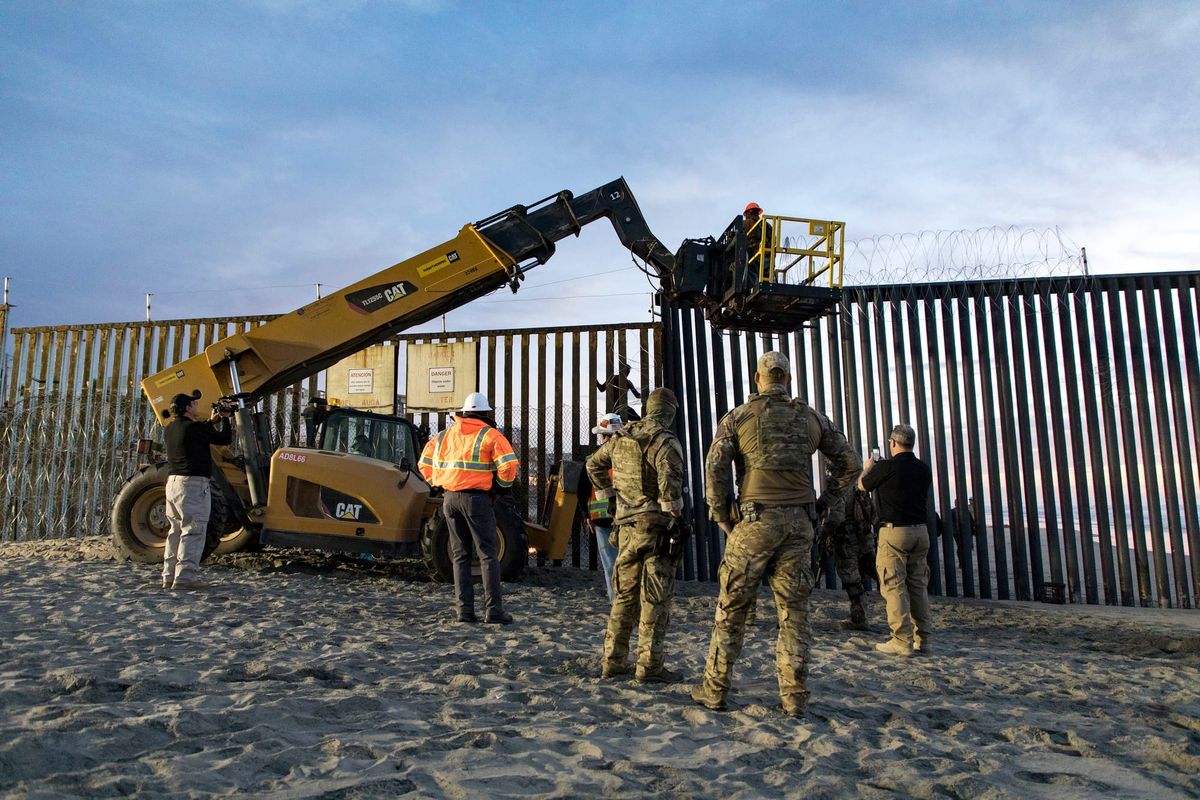
The lead company building President Donald Trump's White House ballroom is one of a select group firms now eligible to receive up to $10 billion in contracts for work on immigration-related facilities, including U.S. Border Patrol checkpoints.
On May 11, Clark Construction, a Maryland-based federal contractor, became one of 10 companies awarded a contract by U.S. Customs and Border Protection — one that makes it eligible to bid for future work designing and constructing major infrastructure projects funded by the president's landmark legislative achievement, the One Big Beautiful Bill Act.
Present CBP infrastructure is "insufficient to meet the extensive scale, scope, and complexity of modern border security operations," according to the agency, which issued a request for proposals last December. Those awarded contracts will have the opportunity to build a wide-range of CBP facilities, "including checkpoints, sector headquarters, border patrol stations, and air facilities throughout the United States."
 Charles R. Davis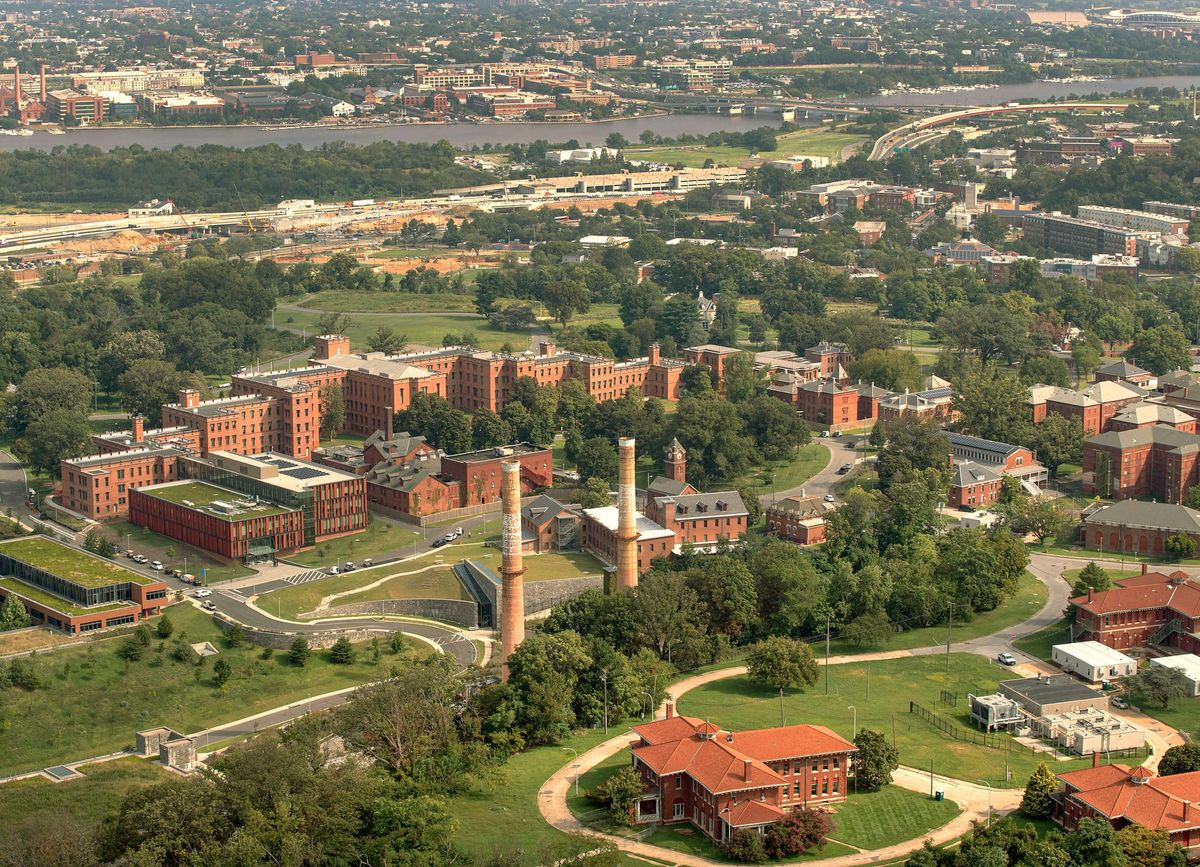
As a major federal contractor, it is not unusual that Clark Construction would be considered for such work. Before Trump took office, Clark Construction was awarded four federal contracts in fiscal year 2024 worth $1.6 billion, according to public records. In fiscal year 2026, which runs through October, it has received four contracts valued at $420 million.
But Clark Construction stands out as the one firm selected by CBP that has been touted by the president and previously chosen to receive controversial no-bid contracts. Trump, who selected the firm to construct his 8,300-square-meter ballroom, has described Clark Construction as "highly respected" and suggested it will take the lead on renovation projects in the nation's capital.
Last December, the Department of Homeland Security — which oversees CBP — awarded Clark Construction a no-bid contract valued at $33.7 million to demolish historic buildings at its headquarters. As The Redoubt reported at the time, that contract was worth millions of dollars more than an independent government estimate said the work should cost. The New York Times later reported that the company received another, $17.4 million no-bid contract to renovate fountains at Lafayette Park, directly across from the White House.
 Charles R. Davis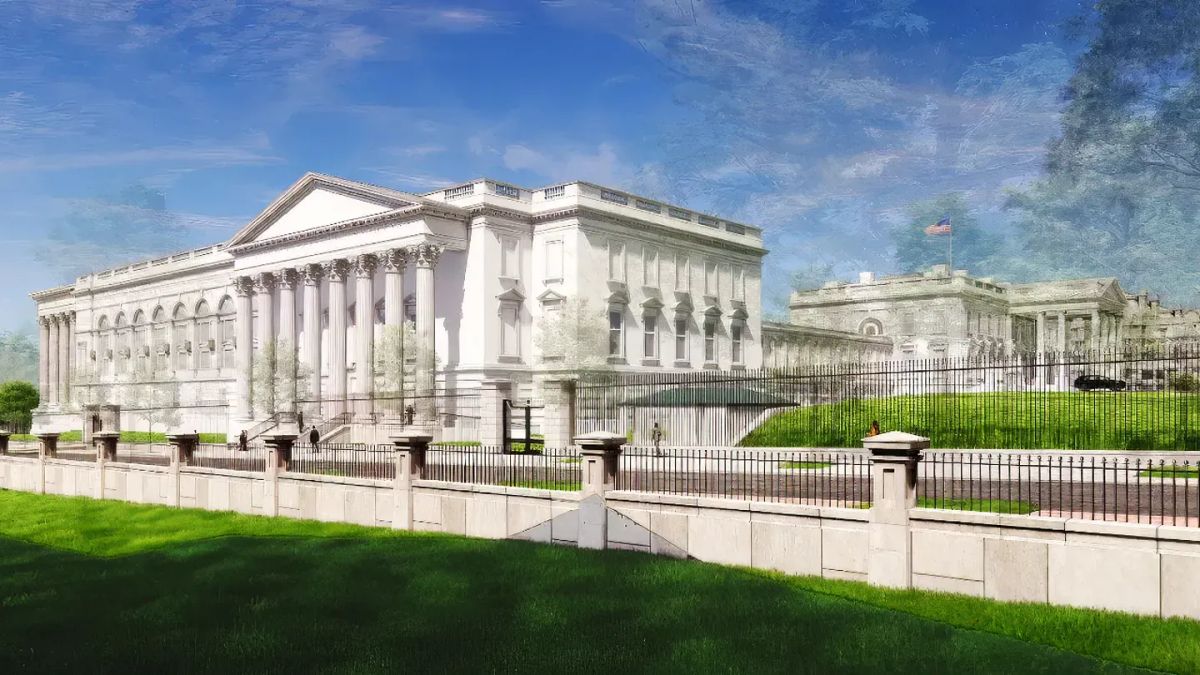
As one of the group of firms chosen by CBP, the company could receive billions of dollars in new contracts. The initial award is deceptively small: just $10,000. According to the federal government's request for proposals, that money is the legally binding "seed" project that formalizes the contracting relationship and allows the company to "compete for future task orders."
All the contractors chosen were required to meet a massive bonding requirement that would have weeded out smaller competitors. Initially, CBP said it would select firms that could post a $15 million bond per project — money that firms would forfeit should they fail to complete the work. However, weeks later the agency increased the requirement to $500 million.
The increase did not sit well with all the bidders. "Please clarify the rationale for establishing a $500M bonding requirement," one would-be contractor asked CBP, per a document dated Jan. 13. The agency replied that it had increased the bond to ensure "adequate competition," as well as to cover "the full range of anticipated task order values." According to the same document, it declined a request to extend the application deadline.
In a statement to The Redoubt, a CBP spokesperson said firms selected by the agency will have an equal opportunity to receive future work. "Each individual project will be competed among the ten [contract] holders," they said.
Of the 10 companies, however, only Clark Construction has a demonstrated relationship with the U.S. president. Whether that pays off, at the border, remains to be seen.